
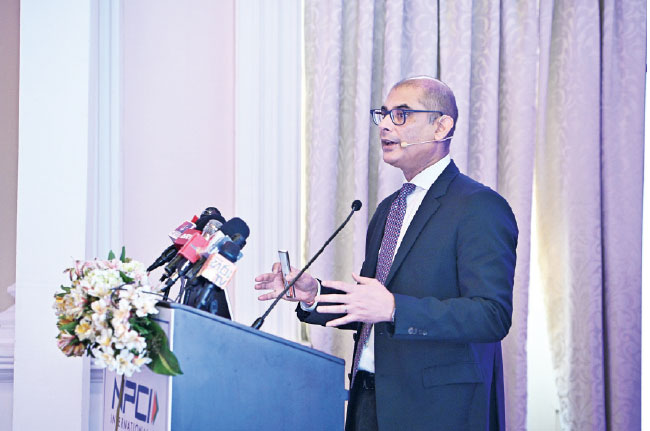
NPCI International Payments Limited (NIPL), the global arm of the National Payments Corporation of India (NPCI), has stepped up efforts to expand Unified Payments Interface (UPI) merchant acceptance in Sri Lanka, aiming to deliver seamless digital payment experiences for Indian tourists while supporting the island’s growing digital economy.
UPI, India’s real-time payment system, processes over 20 billion transactions monthly and is widely regarded as one of the world’s most advanced digital payment infrastructures. Its integration with Sri Lanka’s LankaQR network allows Indian travelers to make instant payments across the country by simply scanning QR codes using UPI-enabled mobile applications.
The initiative comes amid a surge in Indian tourist arrivals. India remained Sri Lanka’s largest tourism source market, with over 531,000 Indian visitors recorded in 2025, up from 416,000 in 2024. With travelers visiting for leisure, shopping, weddings, and religious purposes, the demand for convenient and secure payment options has grown significantly.
At the initial stage, UPI payments are now accepted at several leading establishments, including several key hotels, garment stores and supermarkets. The expansion is being carried out in collaboration with LankaPay and with the support of key stakeholders such as the Central Bank of Sri Lanka (CBSL), local banks, and merchants.
For travelers, UPI offers real-time payments directly from Indian bank accounts, transparent exchange rates, and a familiar, secure transaction experience. For Sri Lankan merchants, the system opens access to a large, digitally savvy customer base, while improving cash management and reducing reliance on physical currency.
NIPL Managing Director and CEO Ritesh Shukla said the initiative reflects a shared vision to strengthen economic ties between India and Sri Lanka through technology-driven payment solutions. As adoption grows, NIPL plans to further expand UPI acceptance across high-frequency sectors such as hospitality, retail, and essential services, enhancing cross-border commerce and supporting tourism-driven economic activity.
Source: Daily News